
The Ultimate Guide to Summer Heat Safety

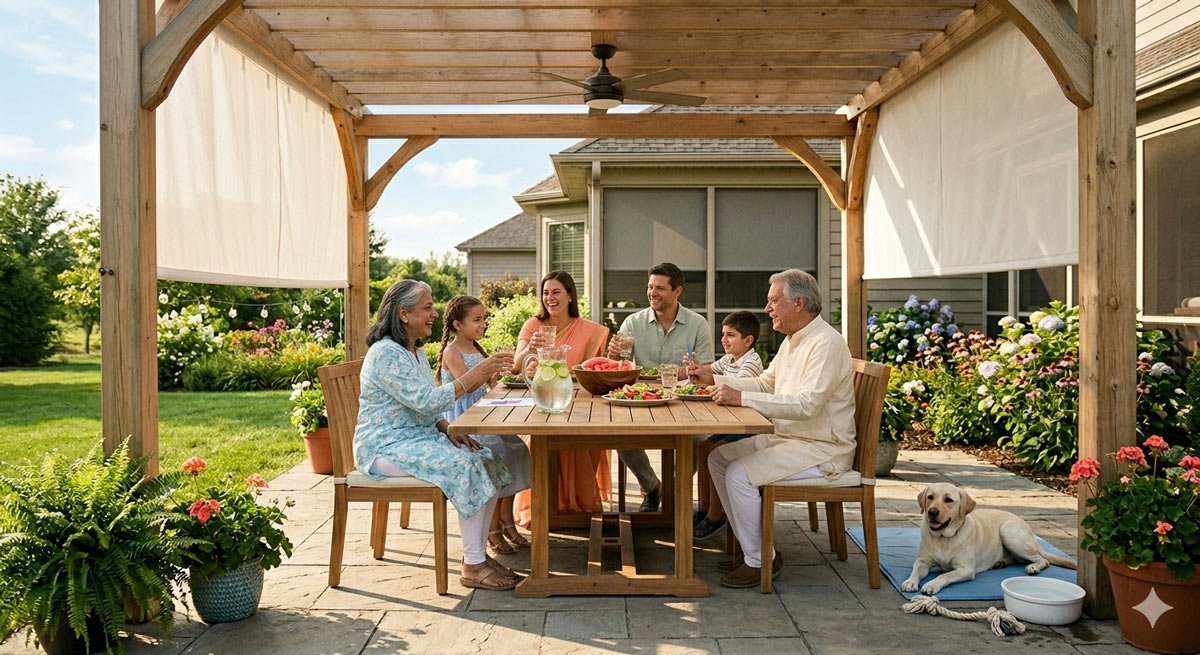
The Ultimate Guide to Summer Heat Safety: Protecting Your Home, Family, and Health
Summer is the season of sun-drenched memories, backyard barbecues, and long afternoons by the water. However, beneath the bright blue skies lies a serious risk that many of us underestimate: extreme heat.
According to the National Weather Service, heat remains one of the leading causes of weather-related fatalities in the United States every year, often surpassing deaths caused by hurricanes, tornadoes, and floods combined. Because heat-related illnesses can escalate from mild discomfort to life-threatening emergencies in a matter of minutes, preparation isn’t just a suggestion—it’s a necessity.
This comprehensive guide serves as a “pillar” resource to help you navigate the hottest months of the year. From fortifying your home against the rising mercury to recognizing the subtle biological shifts that signal a medical emergency, here is everything you need to know to stay cool, hydrated, and safe.
Fortifying Your Home: The First Line of Defense
Staying safe begins where you spend most of your time: indoors. Creating a heat-resistant sanctuary doesn’t just keep you comfortable; it reduces the strain on your body and your wallet.
Check and Maintain Your Air Conditioning
Your AC unit is your primary defense against the summer swelter. Before the first heatwave hits, ensure your system is in peak condition.
- Professional Tune-ups: Schedule an annual inspection to check refrigerant levels and clean condenser coils.
- Insulation and Sealing: A high-performing AC is useless if the cool air escapes. Install weatherstripping on doors and windowsills. This small DIY task acts as a barrier, keeping the “conditioned” air inside and preventing the humid outside air from creeping in.
The Power of Window Coverings
The sun’s rays can act like a greenhouse, trapping heat inside your home. Windows that receive direct morning or afternoon sun are the biggest culprits.
- Strategic Shielding: Use drapes, shades, or blinds to block out the light.
- Advanced Solutions: For even better results, consider awnings or louvers on the exterior of the house.
- The Impact: Properly covering your windows can reduce the heat entering your home by up to 80%, significantly lowering your indoor temperature without touching the thermostat.
Master the Physics of Fans
Fans don’t actually lower the temperature of a room; they cool you by accelerating the evaporation of sweat from your skin.
- The Counter-Clockwise Rule: In the summer, ensure your ceiling fans are rotating counter-clockwise. This creates a downdraft that produces a “wind chill” effect.
- The Misting Trick: For an extra boost, use a spray bottle to lightly mist your skin with water while sitting near a fan. As the water evaporates, it pulls heat away from your body, cooling you down dramatically.
Optimize Your Cooking Habits
Traditional ovens and stovetops generate an incredible amount of ambient heat. On the hottest days, try to keep the “kitchen fire” to a minimum.
- Small Appliances: Opt for slow cookers, air fryers, or tabletop grills.
- Outdoor Cooking: If possible, take the cooking outside to the BBQ to keep the heat out of the house entirely.
Personal Hydration and Nutrition Strategy
In extreme heat, your body’s primary cooling mechanism is sweating. To keep that system running, you must fuel it correctly.
Rehydration: Don’t Wait for Thirst
Thirst is actually a late-stage signal that you are already dehydrated.
- The Baseline: The standard recommendation is eight 8-ounce glasses of water per day. However, in high humidity or extreme heat, your requirements can double.
- Sip Constantly: Carry a reusable water bottle and take small sips throughout the day rather than “chugging” large amounts occasionally.
Liquids to Avoid
Not all fluids are created equal. When the temperature rises, certain drinks can actually work against you:
- Alcohol: A diuretic that causes your body to lose fluids faster than it takes them in.
- Caffeine: Found in coffee and many sodas, caffeine can increase your heart rate and contribute to dehydration.
- Carbonated/Sugary Drinks: These can lead to a “crash” and may interfere with your body’s ability to regulate temperature effectively.
Light, Balanced Meals
Digestion is a metabolic process that creates heat within the body.
- Skip High-Protein Feasts: Large amounts of protein require more metabolic energy to break down, which increases internal body heat and can accelerate water loss.
- Focus on Water-Rich Foods: Incorporate fruits and vegetables like watermelon, cucumbers, strawberries, and leafy greens. These provide hydration along with essential electrolytes.
Mastering the Outdoors: Timing and Protection
You don’t have to stay cooped up all summer, but you do need to respect the sun’s power.
Rescheduling Your Activity
The sun is at its most intense between 10:00 AM and 4:00 PM.
- Early Bird or Night Owl: Plan your exercise, gardening, or heavy chores for the early morning or late evening when the air is cooler and the sun is lower.
- Heat Advisories: Always check the local forecast. If a heat advisory is in effect, move your workout indoors to a gym or a well-ventilated space.
The Importance of Sun Protection
Sunburn is more than just a painful inconvenience; it affects your body’s ability to cool itself.
- Sunscreen is Vital: Use a broad-spectrum SPF of at least 30.
- Clothing: Wear lightweight, light-colored, and loose-fitting clothing to allow air to circulate around your body.
Recognizing the Warning Signs: Heat Exhaustion vs. Heat Stroke
Understanding the difference between these two conditions can be the difference between life and death.
Heat Exhaustion
This is your body’s warning that it is overtaxed. It is serious but usually treatable if caught early.
- Symptoms:
- Shallow, rapid breathing
- Headache and dizziness
- Pale, cool, or clammy skin
- Heavy sweating
- Muscle cramps
- Nausea or vomiting
- Action: Move to a cool place, loosen clothing, and sip water. Seek medical attention if symptoms worsen or last longer than an hour.
Heat Stroke
This is a medical emergency. Heat stroke occurs when the body’s internal temperature rises above $103^\circ \text{F}$ and the cooling system shuts down completely.
- Symptoms:
- High body temperature ($> 103^\circ \text{F}$)
- Red, hot, and dry skin (the person has stopped sweating)
- Rapid, strong pulse
- Confusion, disorientation, or unconsciousness
- Throbbing headache
- Action: Call 911 immediately. Move the person to a cooler area and attempt to lower their temperature with cool cloths or a water bath until help arrives. Do not give them anything to drink.
Protecting the Vulnerable: People and Pets
Heat doesn’t affect everyone equally. It is our responsibility to look out for those who cannot easily help themselves.
Checking on High-Risk Individuals
Certain groups are more susceptible to the physiological stresses of heat:
- Infants and Young Children: Their bodies regulate temperature less efficiently than adults.
- Seniors (Ages 65+): May have underlying conditions or take medications that affect heat response.
- The Chronically Ill: Individuals with heart or lung disease are at significantly higher risk.
- The Overweight: Excess body mass can trap heat and put additional strain on the heart.
The Danger of Parked Cars
This is perhaps the most avoidable yet tragic cause of summer fatalities.
- The Greenhouse Effect: Even on a mild $80^\circ \text{F}$ day, the inside of a car can reach $100^\circ \text{F}$ in 10 minutes.
- Extreme Peaks: On a hot day, interior temperatures can soar between $140^\circ \text{F}$ and $190^\circ \text{F}$ within 30 minutes.
- Never leave a child or pet in a car, even for “just a minute” with the windows cracked.
Caring for Pets
Pets can’t tell us when they are overheating. We must be their advocates.
- Water and Shade: Ensure they have access to fresh, cool water at all times.
- Limit Exercise: Avoid walking dogs on hot pavement, which can burn their paws. Stick to grass and keep walks short.
- Indoor Retreat: When the heat index is high, pets should be kept indoors with air conditioning or fans.
Accessing Cool Spaces
If your home does not have air conditioning, do not try to “tough it out” during a heatwave.
Public Cooling Centers
Many cities open designated cooling centers during extreme weather. If those aren’t available, public spaces offer a great escape:
- Libraries: Quiet, cool, and free.
- Shopping Malls: Perfect for getting some steps in while staying in the AC.
- Movie Theaters: A great way to spend the hottest hours of the afternoon.
Summary Table: Heat Safety at a Glance
| Category | Action Plan |
| Home | Weatherstrip windows; run fans counter-clockwise; use small appliances. |
| Hydration | Drink 64+ oz of water; avoid alcohol and caffeine; eat light meals. |
| Outdoors | Exercise before 10 AM or after 6 PM; wear SPF 30+; wear light colors. |
| Health | Watch for $103^\circ \text{F}$ temps and dry skin (Heat Stroke = Emergency). |
| Pets | Provide constant fresh water; avoid hot pavement; keep indoors. |
Final Thoughts
Summer is a time for joy, but respect for the elements is the key to longevity. By implementing these home maintenance tips, staying disciplined with your hydration, and keeping a watchful eye on your neighbors and pets, you can ensure that your summer remains safe, healthy, and happy.
Stay informed, stay hydrated, and stay cool!
